Achieving a Smooth Surface Over Damaged or Textured Drywall
Skim Coating Walls and Ceilings in Rosemount, Lakeville, and the surrounding south metro area for surfaces showing tape lines, repairs, or outdated texture that prevent a clean paint finish
Andy's Drywall, Inc applies skim coating to walls and ceilings in Rosemount when you need a flat, paint-ready surface that hides imperfections or replaces older texture. You call for this service when drywall repairs are visible under certain lighting, when walls have been patched repeatedly and no longer look uniform, or when you are converting a textured ceiling to a smooth modern finish. Skim coating involves spreading a thin layer of joint compound across the entire surface to create a consistent plane that accepts paint evenly and reflects light without shadows or ridges.
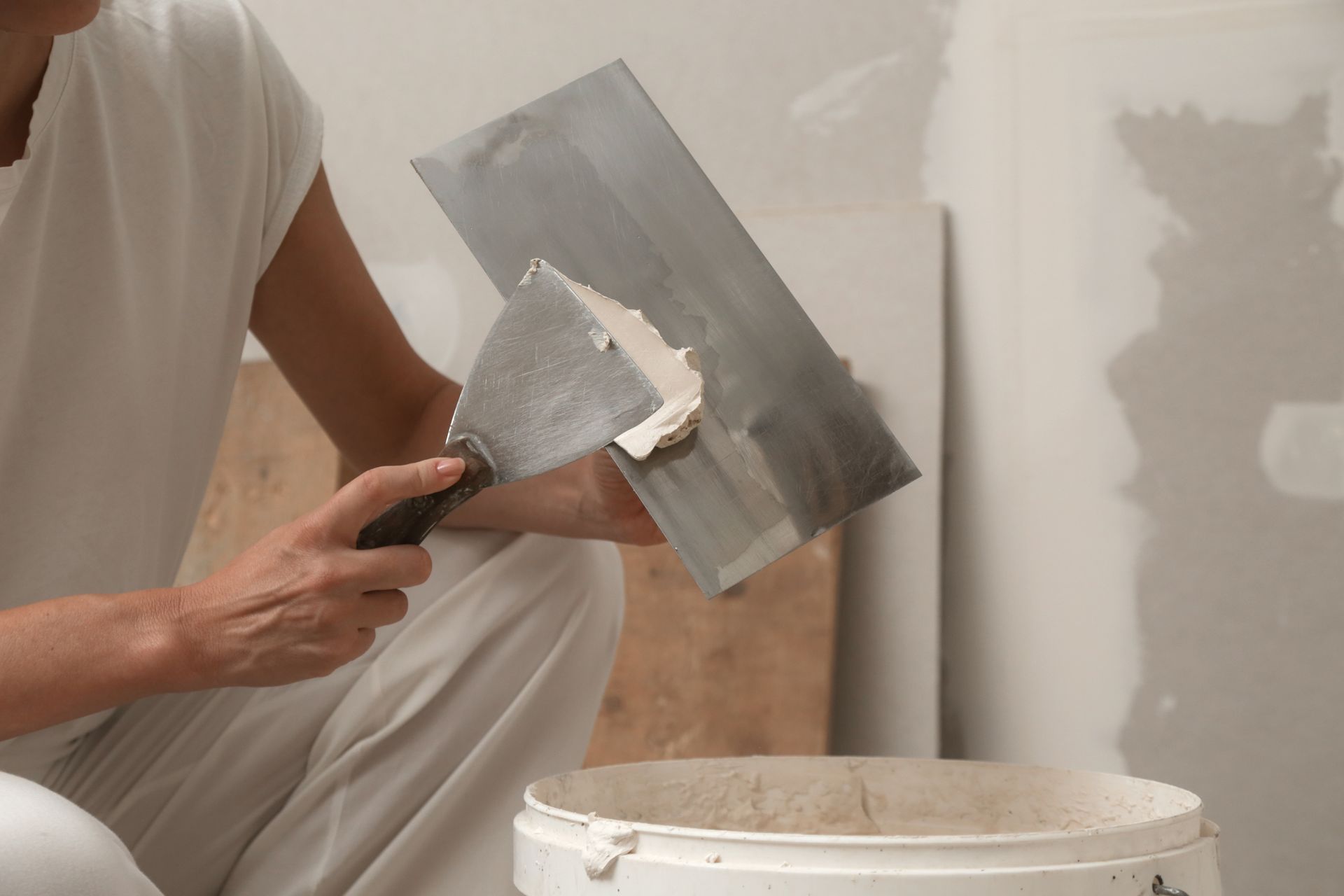
The process starts with surface prep, including cleaning, sanding high spots, and priming any raw drywall or joint compound. A wide trowel or drywall blade is used to apply a thin, even layer of joint compound over the entire wall or ceiling. Multiple coats may be needed depending on the condition of the substrate, with light sanding between applications to remove trowel marks and ensure smoothness. The final surface is primed to seal the compound and provide a uniform base for paint.
Get in touch to review the condition of your walls or ceilings and discuss whether a single coat or multiple passes will be needed to reach a smooth finish.
How Skim Coating Is Done and What You Notice After
Your crew arrives with joint compound mixed to a workable consistency, wide finishing blades, pole sanders, and staging or scaffolding if working overhead. The compound is applied in long, overlapping strokes to build a thin, uniform skin over the existing surface. Each pass is feathered at the edges to avoid ridges, and the material is allowed to dry completely before sanding. A work light is often used to check for low spots or trowel lines that need correction.
After priming and painting, you will see a surface that looks flat and continuous, with no visible seams, patches, or texture variation. Edges along trim and corners will appear crisp, and lighting will not reveal bumps, shadows, or inconsistencies. Andy's Drywall, Inc ensures that the compound is applied thinly enough to avoid cracking but with enough coverage to mask the underlying flaws.
Skim coating adds minimal thickness to the wall, so it does not usually affect outlet boxes or door casings, but it does require careful technique to avoid a wavy or uneven result. The work is labor-intensive and generates fine dust during sanding, so rooms should be cleared and HVAC vents covered. It is not a quick fix for severely damaged drywall, which may need panel replacement before skim coating can succeed.
What Homeowners Ask About Skim Coating
Clients in Rosemount often want to know about drying times, finish quality, and when skim coating is the right choice over other methods.
What is the difference between skim coating and plastering?
Skim coating uses drywall joint compound applied in thin layers, while plastering uses a harder, thicker material that requires different tools and curing methods.
How long does skim coating take to dry before painting?
Each coat typically dries within 12 to 24 hours depending on humidity and ventilation, and multiple coats extend the timeline by a day or more per layer.
Why would I skim coat instead of replacing the drywall?
Skim coating is faster and less invasive when the drywall itself is structurally sound but cosmetically flawed, and it avoids the need to remove and reinstall panels.
How is skim coating applied to ceilings in Rosemount homes with limited access?
Crews use scaffolding, extension poles, and angled trowels to maintain consistent pressure and blade angle across overhead surfaces without leaving gaps or trowel marks.
What happens if the compound is applied too thickly?
You will see cracking as the material dries and shrinks, and the surface may feel noticeably raised compared to adjacent walls or trim.
Andy's Drywall, Inc evaluates your surfaces before recommending skim coating and explains how many coats will be needed to meet your expectations for smoothness and finish quality.